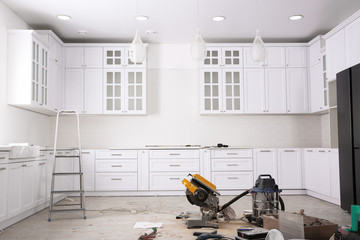
If you’re considering a kitchen remodel, it’s important to understand the process and timeline. Whether you’re doing a complete renovation or a minor upgrade, the right plan makes all the difference.
Careful planning at this stage prevents costly delays down the road. For example, countertop templating can’t begin until the cabinets are installed, and electrical work cannot take place until flooring is finished. Contact J&R Construction for more details.
Cabinet Installation
The cabinet installation process is a critical kitchen remodeling timeline phase. Depending on your kitchen remodel scope, this step could take up to a week or more. This is why it’s important to plan out your project with a kitchen designer, especially if you’re adding or removing walls. This allows you to turn your dream into a realistic plan with goals that are both attainable and measurable.
Before beginning cabinet installation, your installers will check the walls for level surfaces and mark high or low spots that may need shimming. They’ll also note utility locations to make sure that cabinets don’t interfere with water, gas, and electrical lines. This prep work typically adds a day or two to the cabinet installation timeline.
Once the kitchen cabinet installation is complete, it’s time for countertop and backsplash installation. Countertops are usually made to order, and they require a longer turnaround time than stock countertops. Then, your plumbing and electricity will be hooked up. Once all of the appliances are connected, you can finish up any trim or paint touch-ups.
This kitchen remodeling timeline stage is a bit trickier to pin down, but it’s important to factor in the amount of time your contractor will spend ordering and waiting for materials and fixtures. Some products, like a new sink or stove, may be back-ordered for weeks, and that can throw off your entire project. To prevent delays, it’s best to set up a clear communication system with your contractors and to be available to answer questions quickly.
If you’re looking for a more streamlined cabinet installation process, consider having your cabinets refaced rather than replaced. This option can save you a significant amount of money while still providing a fresh new look. For a similar effect, you can also install a new backsplash and counters with a much shorter timeline. This is a great option if you’re on a tight budget but want to give your kitchen a quick update.
Countertop Installation
One of the most significant changes a homeowner can make to their kitchen is resurfacing the countertops. This is a critical step that can make the difference between an outdated, boring room and a functional space for cooking, dining, and gathering with family and friends.
However, countertop installation can be delayed by factors like weather and material availability. It’s important to discuss material selection and delivery timelines with your kitchen designer during the planning process, so you can anticipate any potential hiccups that could throw off your project schedule.
During the countertop installation process, your contractor will remove and install the new worktops, and connect the sink and faucet. They’ll also seal the seams and make any necessary adjustments to ensure a seamless, beautiful final result. This is a great time to consider adding a backsplash, which adds another layer of style to your kitchen.
Countertop installation takes longer than some homeowners might expect, especially if they’re working with a more dense material like granite or quartz. First, a fabricator must accurately measure your existing countertops, then create a template for the new ones based on those measurements. This can take up to a day or more depending on your kitchen size and the complexity of the countertops you’re installing.
If you’re doing a full kitchen remodel, this is the time to do any structural upgrades or electrical work that may be required. This might include rerouting plumbing or reinforcing walls to accommodate new fixtures and appliances. This is also the time to update your electrical panel and wiring if needed, which can be a lengthy process in older homes.
Once the cabinets and countertops are installed, your contractor will add finishing touches like cabinet hardware and crown molding, do touch-up paint jobs where needed, and level all appliances. They’ll also install a backsplash if you’ve chosen to include one, and complete any other details like resealing the seams in the counters. Then, you’ll be ready to enjoy your brand-new kitchen!
Flooring Installation
The flooring installation phase can make or break your kitchen remodel timeline. It’s one of the most important decisions you can make and it will impact your budget, design and overall kitchen remodel timeline. It’s recommended that you take some time to visit flooring showrooms and order samples so you have plenty of options before making a decision. It’s also wise to schedule your flooring installation during a slow season when backlogs are less likely and your installer may be able to get started sooner.
This stage is usually longer than you might expect because materials like cabinets, counters and flooring need to be ordered and delivered before they can be installed. This can add up to a few weeks or even a few months depending on the products you choose and current lead times. If you’re working with a custom cabinetry company or ordering stone, tile or hardwood floors, lead times can be significantly longer.
Intricate patterns and custom designs can significantly increase installation time as well. Lastly, subfloor preparation can add days or even weeks to the process if it’s required before installation.
Once cabinets and countertops are installed, appliances can be connected, plumbing and electrical fixtures can be reconnected, and lighting can be added. It is important to have a good line of communication with your designer at this point to ensure all questions are answered and any changes can be made before moving forward. This is because changing your mind mid-remodel can throw off the entire schedule and cause costly delays that you might not have been expecting.
This final stage may seem chaotic, but it’s actually a carefully-orchestrated dance of plumbing, mechanical, electrical, duct, and insulation work, along with drywall, tile, painting and carpentry. Many things must happen in sequence (countertop templating can’t be done until cabinets are installed, for example) and it’s critical that all team members stay on the same page to avoid miscommunication and unnecessary delay.
Appliance Installation
A kitchen remodel takes time, especially if it’s a complete gut renovation. However, if you know the steps in advance and are realistic about your expectations, you can avoid delays that throw off the entire project.
The first step of a kitchen remodeling project is to evaluate the space and design an ideal kitchen layout. The design phase includes detailed planning to ensure every element supports your functional goals. This step may take a couple weeks to several months to finalize your plans and receive quotations for materials. If you’re planning to hire a general contractor, be sure to set aside ample time for interviews and quotes. Qualified contractors are often booked months in advance.
Rough construction is the next step in a kitchen renovation. This process includes demolition and building out structural features, such as framing. This typically takes one week or less, but can be longer for a complete kitchen gut remodel. This is also the time to make any electrical or plumbing changes. It’s essential to ensure gas and water lines are turned off and inspected by professionals before starting any work.
Cabinet installation is the largest part of this step. Depending on the style you choose and the number of cabinets, this could take up to a month or more. This is also the time to install new countertops and backsplashes. Be mindful of moving appliances so they don’t ding or scratch your new surfaces.
Once your cabinets are installed and the countertop is fabricated, you’ll be ready to move in. If you’re installing a back splash, this should be done at the same time as your countertops. This step is also when you can install lighting, plumbing fixtures and other finishes. Be sure to use caution when moving heavy appliances so they don’t ding your new countertops.
The last step is a thorough walkthrough to verify everything meets your expectations and is ready for use. This is your opportunity to catch any missed details or areas that need a little extra attention. Be sure to have any questions answered by your designer or contractor quickly to keep the project on track and avoid delays.